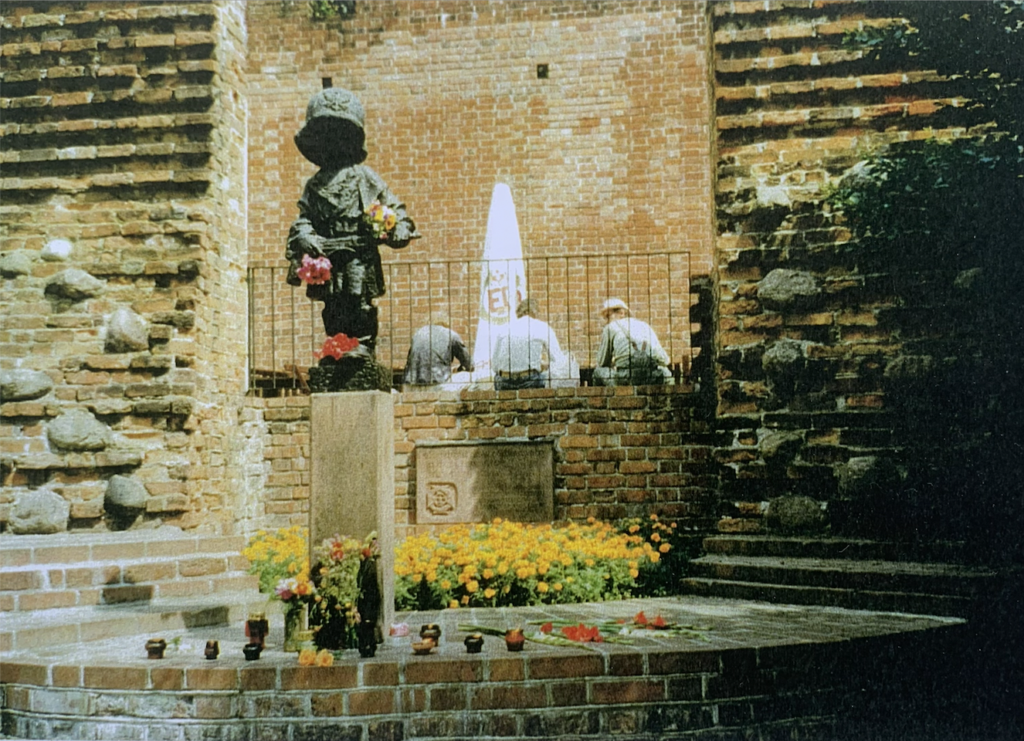
WARSAW UPRISING
Crisis and response were evident during the Warsaw Uprising, known in history as “The People’s War.”
With the country occupied by Nazi’s forces, Polish civilians responded by forming an underground resistance to liberate Warsaw from German occupation and reclaim their independence.
The Warsaw Uprising was significant operation for the Polish resistance against the German’s. The Warsaw Uprising lasted 63 days from 1 August 1944 to 2 October 1944. During the day, children were throwing molotov cocktails at German tanks. By night they were passing on secret messages whilst watching the night sky fill with debris and fire. Unfortunately, the German’s over overtook the Polish resistance. Men, women and children were captured and sent to concentration and labour camps and Warsaw was demolished.
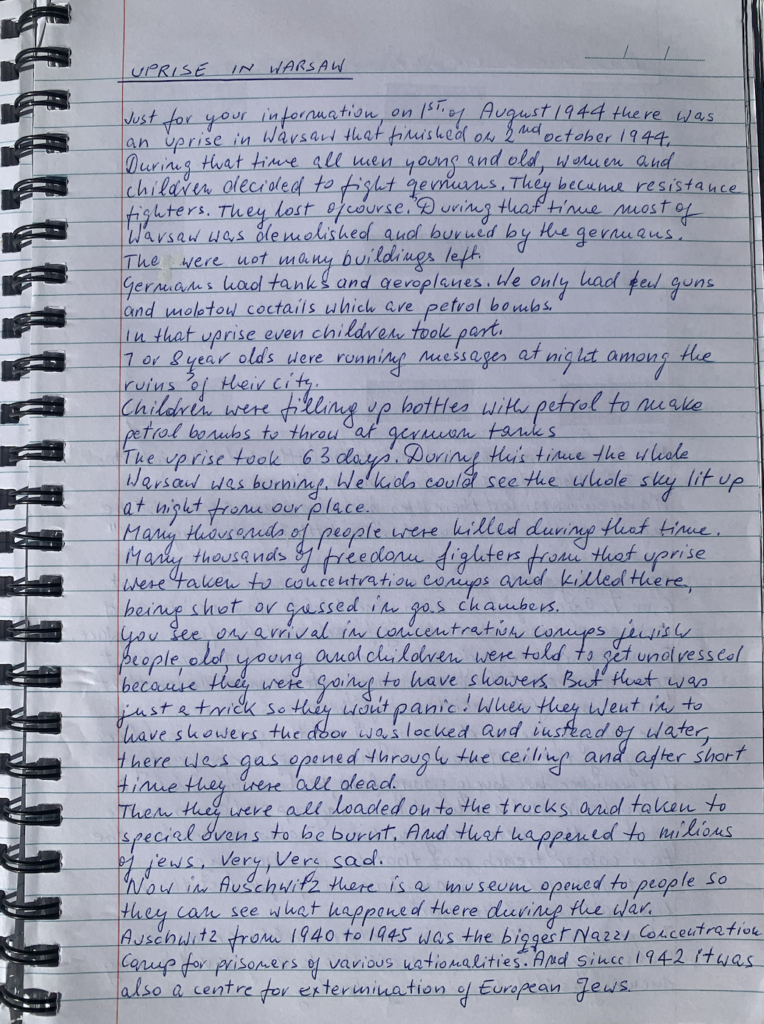
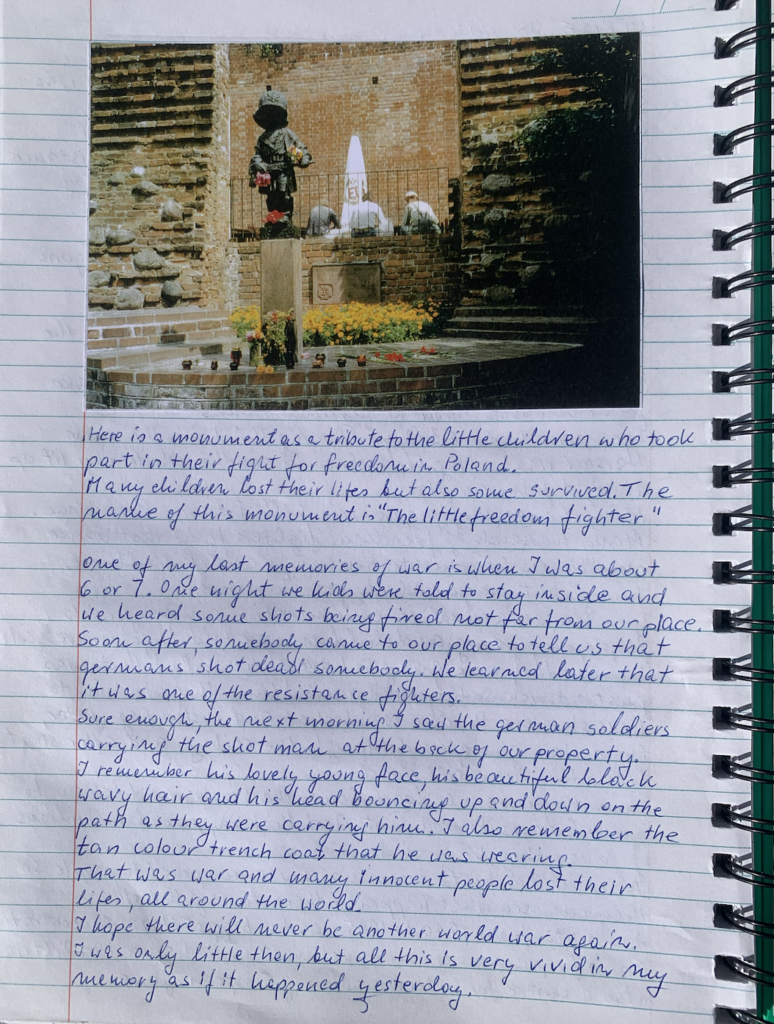
“Somebody came to our place to tell us that germans shot somebody DEAD. We learned later that it was one of the resistance fighters.”
Basia vividly recalls her experience with the crisis of the Warsaw Uprising – her last memory of war. A young Polish resistance fighter was shot dead by the Nazi’s. Basia could still remember “his lovely young face” and “his head bouncing up and down on the path” as the Nazi’s carried his body, almost as if it happened yesterday.