MIGRATION
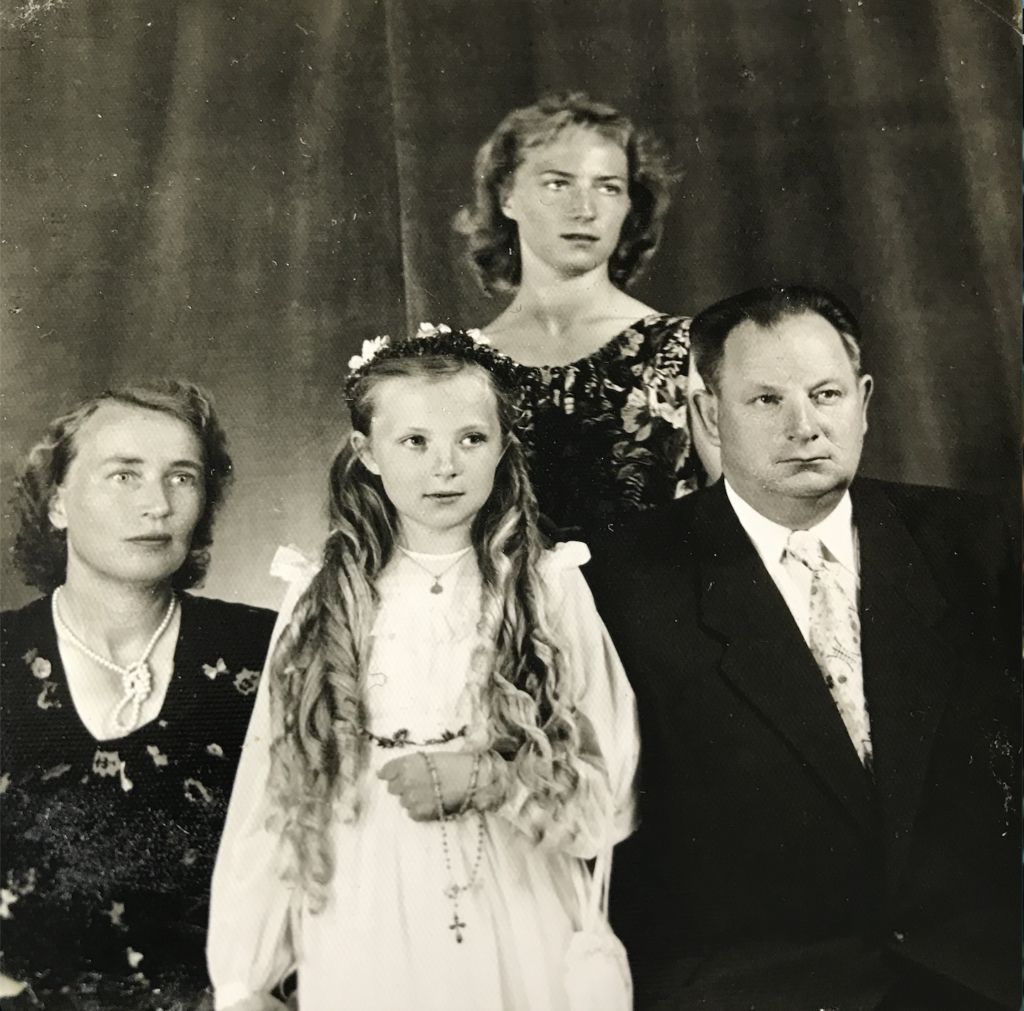
Migration has a deep and relevant connection to crisis and response. Post World War II (1945), Soviet Communist occupation dominated Poland. Polish civilians who publicly spoke against the communist ways of Soviet ruling would be interrogated at length and subsequently punished. Russia harboured Poland by limited access to food, water and natural resources.
Polish people were in crisis, as the Soviet occupation suppressed the entire nation and censored civilians. In response, the Polish people fantasised about escaping the harsh regime and migrating to other countries. Only some did.
“We young ones used to get together with our trusted friends, the main topic for conversation was how to get out of Poland.”
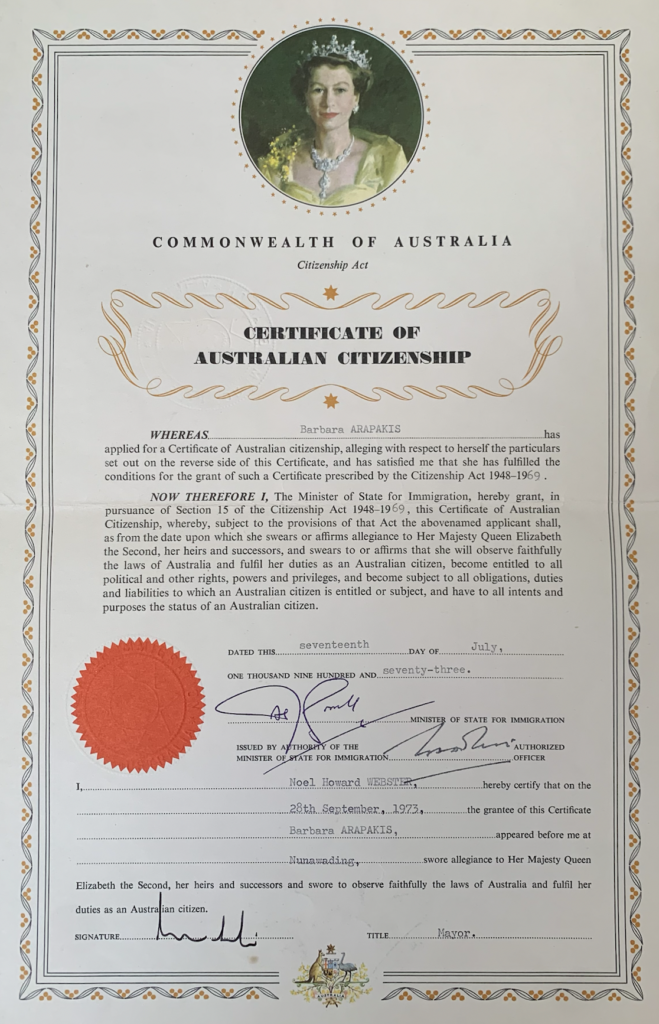
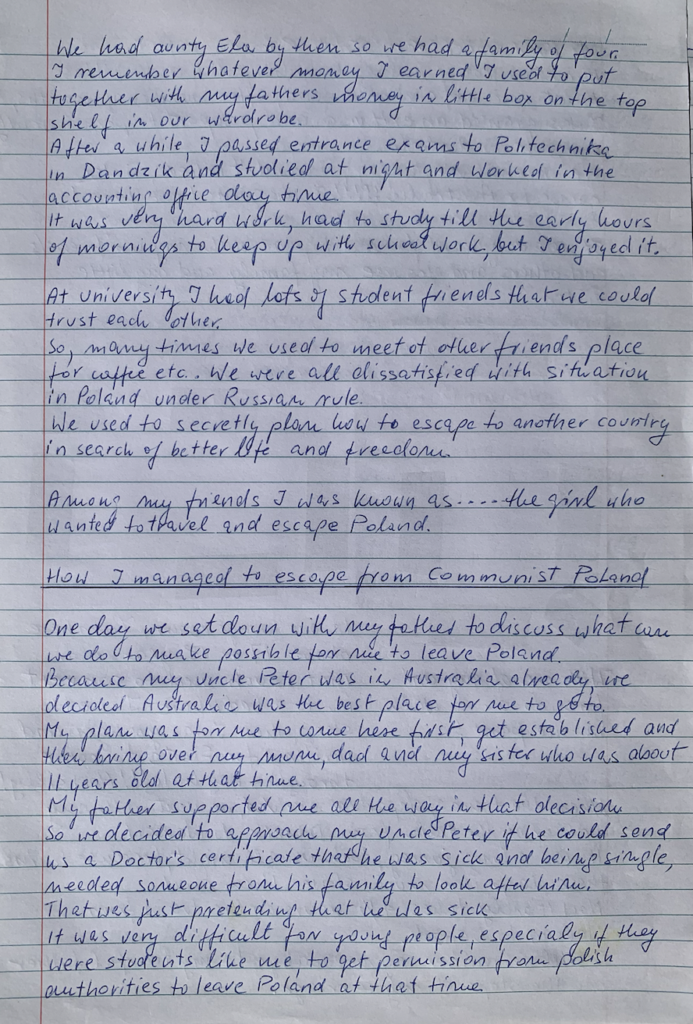
After discussions with her father around the table, in May 1959 Basia successfully escaped the crisis communist Poland. With her Uncle Peter already settled in Melbourne, they concluded that joining him was the safest option.
The plan was for Basia to travel to Melbourne, establish her life and bring her family later. Uncle Peter spoke to his doctor and claimed that he was unwell, and needed his niece to migrate to Melbourne to nurse him. The doctor provided him with a medical certificate which was sent to Polish authorities to begin the process of her migration to Australia.
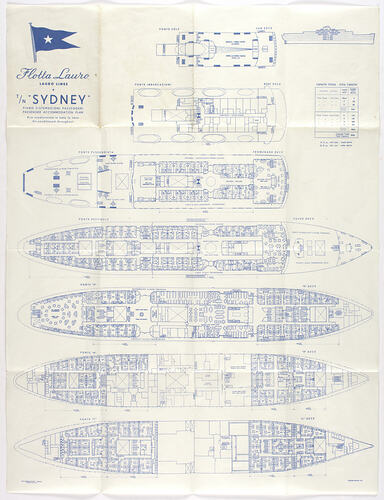
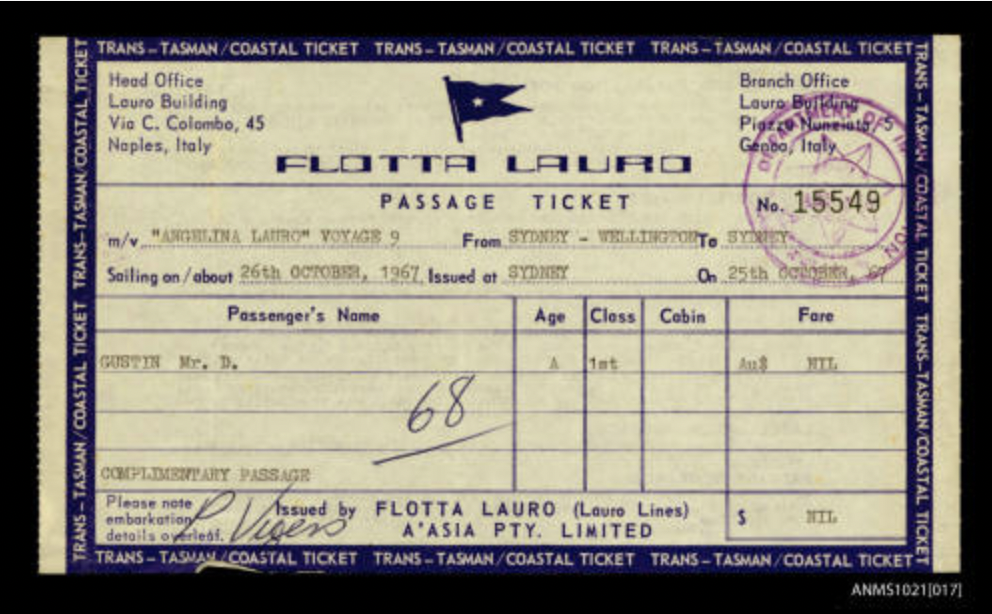
In response to the harsh reality of Russian rule, Basia kissed her parents and little sister goodbye and departed Poland on 25 May 1959. She passed the Czechoslovakian border the following day. After reaching the Italian border on 27 May, she boarded a train to Genoa, Italy. From there, she travelled by sea on the SMS Sydney of Flotta Lauro. It took 28 days of sea travel before she arrived in Melbourne on 24 June 1959. She was greeted by her Uncle Peter in Port Melbourne.